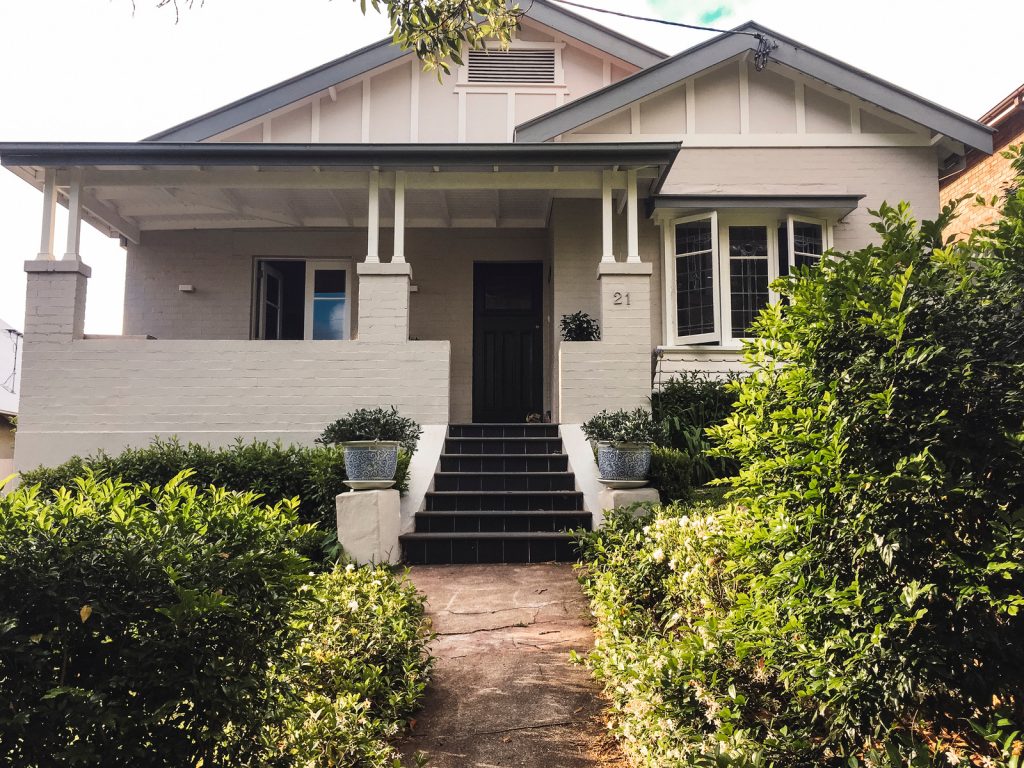
The “Off-Market” Myth: How 20% of 2026 Property Sales Never Hit RealEstate.com.au
The Australian property market in 2026 has become a landscape of “invisible” inventory. While thousands of hopeful buyers spend their Sunday nights refreshing RealEstate.com.au and Domain, a significant portion of the most desirable homes are trading hands in total silence.
Recent data suggests that approximately 20% of 2026 property sales occur without ever being publicly advertised. For many, the “off-market” concept feels like a marketing myth or a buzzword used by industry insiders. However, for those who understand the mechanics of the premium Australian real estate sector, these “hidden” sales represent the most efficient way to secure high-value assets without the stress of a public auction.
In this guide, we will debunk the myths surrounding off-market properties in Australia in 2026, explain why the traditional “search and bid” model is failing many buyers, and provide a framework for accessing pre-market listings before the rest of the world knows they exist.
See more: Choosing a Buyers Agency Sydney: Your Guide to Unlocking Premium Properties
What is an Off-Market Property in 2026?
In the context of the current Australian housing market, an off-market property is a residence that is for sale but is not listed on major public portals like RealEstate.com.au or Domain.
These properties are often sold through “silent listings.” The transaction occurs through a direct connection between the seller’s agent and a curated list of qualified buyers or professional buyer’s agents.
Defining the Three Tiers of “Hidden” Listings
Understanding the nuances of these listings is crucial for navigating the 2026 market:
- Pure Off-Market: The property is sold entirely behind closed doors. No board is out the front, no internet ad is live, and only a handful of people know it is for sale.
- Pre-Market Listings: These are properties that will eventually go to the public portals, but are offered to a “VIP” list for a window of 7 to 14 days first.
- Post-Market / Stale Listings: Properties that failed to sell at auction or via private treaty and have been “withdrawn” from the web, yet the owner is still willing to sell for the right price.
Why Sellers are Abandoning Public Portals
The shift toward off-market transactions isn’t just a trend; it’s a strategic choice made by sophisticated vendors. Here is why a significant portion of the market is opting for privacy over publicity:
1. Privacy and Discretion
High-net-worth individuals, public figures, or families dealing with sensitive situations (such as divorce or deceased estates) often prioritize privacy. They want to avoid the “tyre-kickers” and neighbors who browse public listings just to see inside their homes.
2. Cost Mitigation
Listing a premium property on major Australian portals in 2026 can cost upwards of $5,000 to $10,000 in marketing fees alone, before photography and staging. An off-market sale allows the vendor to test the waters without a heavy upfront financial commitment.
3. Reduced “Days on Market” Stigma
In a fluctuating interest rate environment, if a property sits on a public portal for more than 30 days, it acquires a “stale” reputation. Selling off-market removes the digital footprint of a failed or slow campaign, protecting the property’s perceived value.
4. Controlled Access
Sellers can dictate that only “qualified” buyers—those with pre-approved finance or cash—are allowed to inspect the home. This eliminates the “looky-loos” who populate public open-for-inspections on Saturday mornings.
How to Find Pre-Market Listings in a Tight Market
If 20% of the market is invisible, the traditional method of setting up “Saved Searches” on property apps is only 80% effective. To find the remaining 20%, you must change your approach.
Build Relationships with Local Agents
Real estate agents are the gatekeepers of off-market data. However, they don’t give this information to everyone. You must prove you are a “ready” buyer.
- The Weekly Call: Don’t wait for emails. Call the top five agents in your target suburb every Tuesday.
- The Specific Brief: Instead of saying “I want a house,” say “I am looking for a 4-bedroom renovator in Paddington with a $2.5m budget, finance ready.”
Leverage Buyer’s Agents
In 2026, the benefits of a buyer’s agent for off-market access cannot be overstated. Because buyer’s agents bring “clean” deals (pre-approved buyers who move fast), selling agents often call them before they even sign a listing agreement with a vendor.
Comparison: Off-Market vs. Public Listings
| Feature | Off-Market Sale | Public Listing (REA/Domain) |
| Competition | Low (Limited to 1-3 parties) | High (Open to the public) |
| Price | Negotiated on value | Driven by emotional bidding |
| Speed | Can happen in 24-48 hours | Usually a 4-week campaign |
| Marketing Fees | Near Zero | $3,000 – $15,000+ |
| Transparency | Private negotiation | Public auction/price history |
The Buyer’s Framework: Navigating the Off-Market Landscape
To successfully purchase a property that isn’t on the internet, you need a repeatable process. Here is the framework used by professional property strategists:
Step 1: Market Intelligence
Before looking for hidden gems, you must know the “on-market” prices perfectly. You cannot spot a good off-market deal if you don’t know what the public equivalent is worth.
Step 2: The “Finance Ready” Badge
Off-market sellers usually prioritize certainty over the highest possible price. Having a “Subject to Finance” clause in an off-market deal often kills the transaction. Ensure your pre-approval is current and your deposit is ready to be transferred.
Step 3: Targeted Outreach
Identify the “Stock Kings” in your area—the agents who hold the most market share. These are the individuals most likely to have a “pocket listing” (a listing they keep in their pocket rather than putting it on the web).
Step 4: Rapid Due Diligence
Because off-market deals move quickly, you need your team (solicitor, building inspector, and mortgage broker) on standby. You may only have 48 hours to sign a contract before the agent decides to take the property to the public market.
Common Mistakes When Chasing Off-Market Properties
Even though the “exclusive” nature of these sales is appealing, many buyers fall into common traps:
- Overpaying for “Exclusivity”: Just because a property is off-market doesn’t mean it’s a bargain. Some sellers stay off-market because they have “pie-in-the-sky” price expectations that the public market wouldn’t support.
- Assuming No Competition: You aren’t always the only one seeing the property. Other buyer’s agents may also be through the door.
- Lacking a Contract Review: The speed of these deals can tempt buyers to skip the legal review. In Australia’s 2026 regulatory environment, this is a high-risk move.
- Waiting for the “Perfect” Secret Deal: Some buyers spend years waiting for an off-market unicorn while the public market grows by 10% in value.
Case Study: The Paddington Pocket Listing
In early 2026, a 3-bedroom terrace in Sydney’s Paddington was slated for a public auction with a guide of $3.2 million. The owner, a high-profile executive, wanted a quick, quiet exit.
A local buyer’s agent, who maintained weekly contact with the selling agency, was alerted to the property before the photographer was even booked. The buyer’s agent brought a client through at 4:00 PM on a Tuesday. By 9:00 AM Wednesday, a contract was exchanged at $3.15 million—slightly under the expected auction “stretch” price, but with zero marketing costs and total privacy for the seller.
This is the reality of how to find pre-market listings—it’s about being the first person in the room.
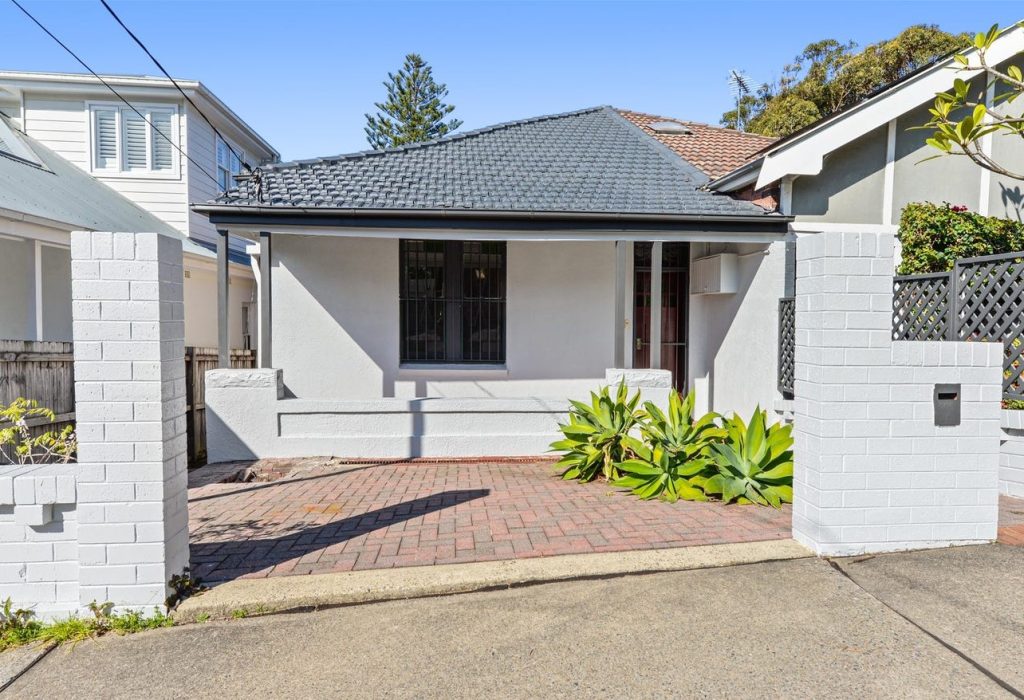
FAQ: Frequently Asked Questions about Off-Market Properties
What is the biggest advantage of buying off-market?
The primary advantage is the lack of competition. By avoiding a public auction, you eliminate the “emotional premium” that often drives prices 5–10% above market value.
Do I pay more for an off-market property?
Not necessarily. While you don’t always get a “discount,” you avoid the bidding wars that characterize the Australian market. You are paying a fair market price based on comparable sales rather than the “fear of missing out” (FOMO).
Why would an agent agree to sell off-market?
Agents love off-market sales because they are fast. It allows them to rotate their stock quickly, collect their commission, and move on to the next listing without the labor-intensive process of running four weeks of open homes.
How do I know if the price is fair?
You must conduct a “comparative market analysis” (CMA). Look at what similar homes in the same street or suburb sold for on the public market in the last 90 days.
Are off-market properties only for luxury homes?
No. While common in the $5m+ bracket, we are seeing a rise in “entry-level” off-market sales in 2026 as sellers look to save on high digital advertising costs.
Conclusion: Mastering the 2026 Market
The idea that every home for sale is on a website is perhaps the greatest misconception in modern real estate. The “off-market” myth isn’t that these properties don’t exist—it’s the belief that they are impossible for the average person to find.
By understanding that 20% of 2026 property sales are happening in the “shadow market,” you can shift your strategy from reactive scrolling to proactive networking. Focus on building genuine relationships with agents, ensuring your finance is bulletproof, and considering the benefits of a buyer’s agent for off-market access to bridge the gap.
Success in the 2026 Australian property market requires looking where others aren’t. When you stop relying solely on the major portals, you open the door to a fifth of the market that your competition doesn’t even know exists.
Internal Linking Suggestions:
- Anchor Text: “understanding property valuation in Australia”
- Anchor Text: “how to get pre-approved for a mortgage”
- Anchor Text: “the role of a buyer’s agent in 2026”
External Authority References:
- CoreLogic Property Data & Market Trends
- Real Estate Institute of Australia (REIA) Annual Reports
