This guide covers how Glebe works as a property market, what to watch for, and how buyers can reduce risk while still moving fast.
What makes Glebe such a tightly held suburb?
It is close to the CBD, walkable, and built around village streets, parks, the foreshore, and the University of Sydney. That mix keeps long term owner-occupiers in place and limits turnover.
Buyers also tend to compete for the same small pool of renovated terraces, character semis, and well-positioned apartments. When supply is thin, prices can rise quickly on the best stock, which is why many buyers engage a Glebe buyers agency to improve access, evaluate value, and strengthen their purchasing strategy.
Which Glebe pockets tend to suit different buyer types?
They usually choose based on daily life, not just postcode. Some streets feel quieter and more residential, others feel closer to the action near cafes, transport, or the waterfront.
A buyers agent in Glebe will often map the “micro pockets” first, then match them to priorities like school zones, noise sensitivity, parking needs, and commute patterns. In Glebe, two streets apart can mean a different buyer experience.
What property types are most common in Glebe?
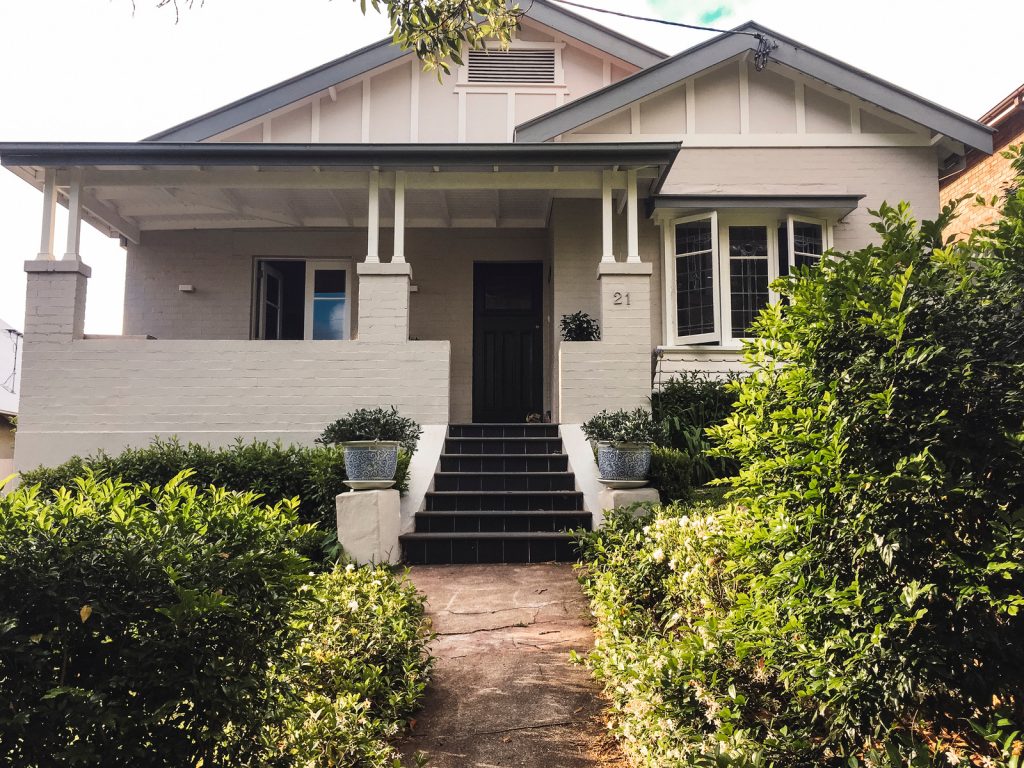
They will mainly see Victorian and Federation terraces, some semi-detached homes, and a mix of older and newer apartment blocks. Terraces are popular for character and layout, but they can come with higher maintenance and renovation complexity.
Apartments can offer a cheaper entry point, but buyers need to be picky about building quality, strata health, and natural light. A good purchase is often more about the building and position than the number of bedrooms.
How competitive is the Glebe market right now?
It is often competitive, particularly for renovated homes on good streets with functional layouts. Many campaigns attract strong interest because buyers are targeting lifestyle suburbs close to the city.
They should assume that desirable listings can move fast, with pre-auction offers and short settlement preferences common. Preparation usually matters as much as budget.
What should buyers do before attending open homes in Glebe?
They should set non-negotiables early, then build a shortlist around them. That means deciding what matters most: parking, outdoor space, a second bathroom, natural light, storage, or a home office zone.
They should also have finance pre-approval ready and a conveyancer lined up. In fast moving inner-city markets, delays in readiness can cost them the right home.
What hidden costs catch buyers out in Glebe?
They often underestimate ongoing costs on older homes. Heritage features, older plumbing, rising damp, roofing, and termite history can add up quickly, even when a home looks “done”.
With apartments, strata levies and special levies can surprise buyers if the sinking fund is weak. They should budget for immediate works, not just the purchase price and stamp duty.

Which building and pest issues are most common in Glebe homes?
They commonly encounter moisture issues, subfloor ventilation problems, and aging services in older terraces. Some homes have previous renovations that look good but hide shortcuts in waterproofing, drainage, or structural changes.
A buyers agent in Glebe will typically encourage buyers to treat building reports as decision tools, not formalities. If a report flags recurring issues, they should price the risk honestly or walk away.
How can buyers assess street noise, traffic, and liveability?
They should inspect at different times, not only Saturday morning opens. A street can feel calm at 10am and noisy at 7pm depending on traffic flow, pub activity, or event spillover.
They can also check flight paths, bus routes, and nearby construction. In Glebe, lifestyle value is a major part of the price, so buyers should confirm the day-to-day feel before bidding.
What should they know about heritage and renovations in Glebe?
They should expect more restrictions on many character homes, including facade controls and approval requirements for certain changes. Renovation timelines can be longer and costs higher if approvals, trades access, or structural upgrades are needed.
A careful buyer will confirm what is permitted before paying a “future potential” premium. A buyers agent in Glebe may also flag renovations that can hurt resale, like awkward extensions or poorly planned attic conversions. You may like to visit https://www.domain.com.au/advice/attic-conversions-from-dead-space-to-living-space/ to learn more about attic conversion from dead space to living space.
How should buyers approach auctions in Glebe?
They should walk in with a clear limit based on comparable sales, not emotion. Auctions can feel like a once-only chance, but overpaying can take years to unwind.
They should also understand the contract terms in advance and be comfortable with the deposit and settlement requirements. Many buyers use a buyers agent in Glebe to set bidding strategy, read momentum, and avoid getting pulled beyond fair value.
When does it make sense to use a buyers agent in Glebe?
It usually makes sense when they value time, want sharper access to off-market options, or need confidence in due diligence. Glebe’s market can punish hesitation, but it can also punish rushed decisions.
A buyers agent in Glebe typically helps with suburb micro-analysis, shortlisting, negotiation, contract review coordination, and bidding representation. The main benefit is reducing expensive mistakes while improving purchase quality.
What is the simplest checklist for buying well in Glebe?
They can keep it practical:
- Confirm micro-pocket fit: noise, walkability, parking, and transport
- Validate the building: moisture, structure, roofing, services, strata health
- Compare recent sales properly: same street feel, aspect, land, and condition
- Stress test the layout: light, storage, work-from-home space, flow
- Know the exit: resale appeal matters even for “forever” homes
Glebe rewards buyers who stay disciplined. When they pair strong preparation with local insight, they are far more likely to buy a home they still love years later.
Related : Enmore Market Insights from a Local Buyers Agent Enmore