Because “F17” refers to a stress grade, it is typically selected to meet engineered requirements rather than aesthetic preferences. That makes it a practical, workhorse material on residential, commercial, and civil sites.
What is F17 plywood, and why do builders specify it?
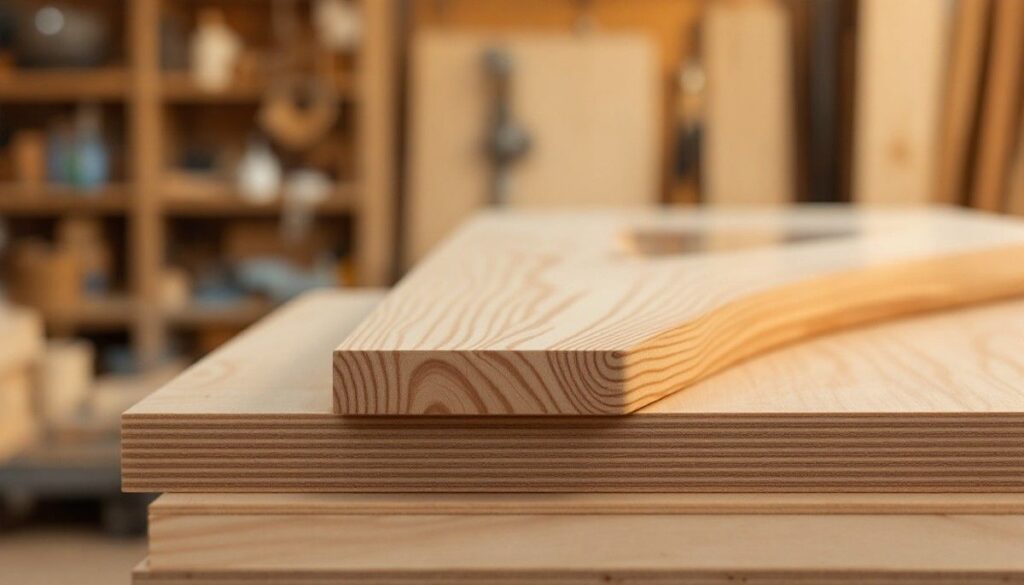
F17 plywood is a stress-graded structural plywood designed to carry load in construction. Builders specify it because it offers predictable engineering performance and suits applications where compliance and consistency are important.
In many markets, F17 is produced to recognised structural plywood standards, with grading tied to bending strength and stiffness. In practice, this means designers can nominate it in plans and expect it to behave within a defined range when installed correctly.
What should builders check before using F17 plywood structurally?
They should confirm the sheet’s structural certification, thickness, and suitability for the exposure conditions. They should also check the face grade, bond type, and whether preservative treatment is required for the environment.
If the plywood will be exposed to moisture, weather, or concrete slurry, it matters whether the product is intended for that exposure and whether edges are sealed. They also need to follow fixing schedules and span tables, since “strong plywood” can still fail if installed incorrectly.
How is F17 plywood used for structural floor sheathing?
F17 plywood is commonly used as a structural floor diaphragm and subfloor sheathing over joists or bearers. It helps distribute loads, reduce bounce, and provide a stable base for finishes.
In multi-storey framing, its stiffness can improve floor feel and reduce deflection when compared with non-structural sheets. Installers typically stagger joints, maintain correct edge support, and use the specified fasteners and adhesive (if required) to achieve the designed performance.
Why is F17 plywood a solid option for wall bracing and shear panels?
F17 plywood is used for bracing because it can provide racking resistance and create a strong shear wall when detailed properly. This is especially useful in wind-prone areas or wherever lateral stability is a priority.
Bracing performance depends heavily on how the sheet is fixed, including nail type, spacing, edge distances, and hold-down details. When installed to an engineered bracing schedule, F17 plywood can help tie the structure together and control movement over time.
How do they use F17 plywood for roof diaphragms and structural decking?
F17 plywood is used under roofing systems to create a rigid diaphragm that transfers wind loads to braced walls. It can also serve as structural decking where a continuous panel is needed beneath membranes or roof build-ups.
The key is selecting the correct thickness and ensuring adequate support at edges and joins. Good detailing around penetrations, valleys, and eaves also matters, since those are common points where moisture and movement can cause long-term issues. Check out more about lightweight framing.
Where does F17 plywood fit in concrete formwork?
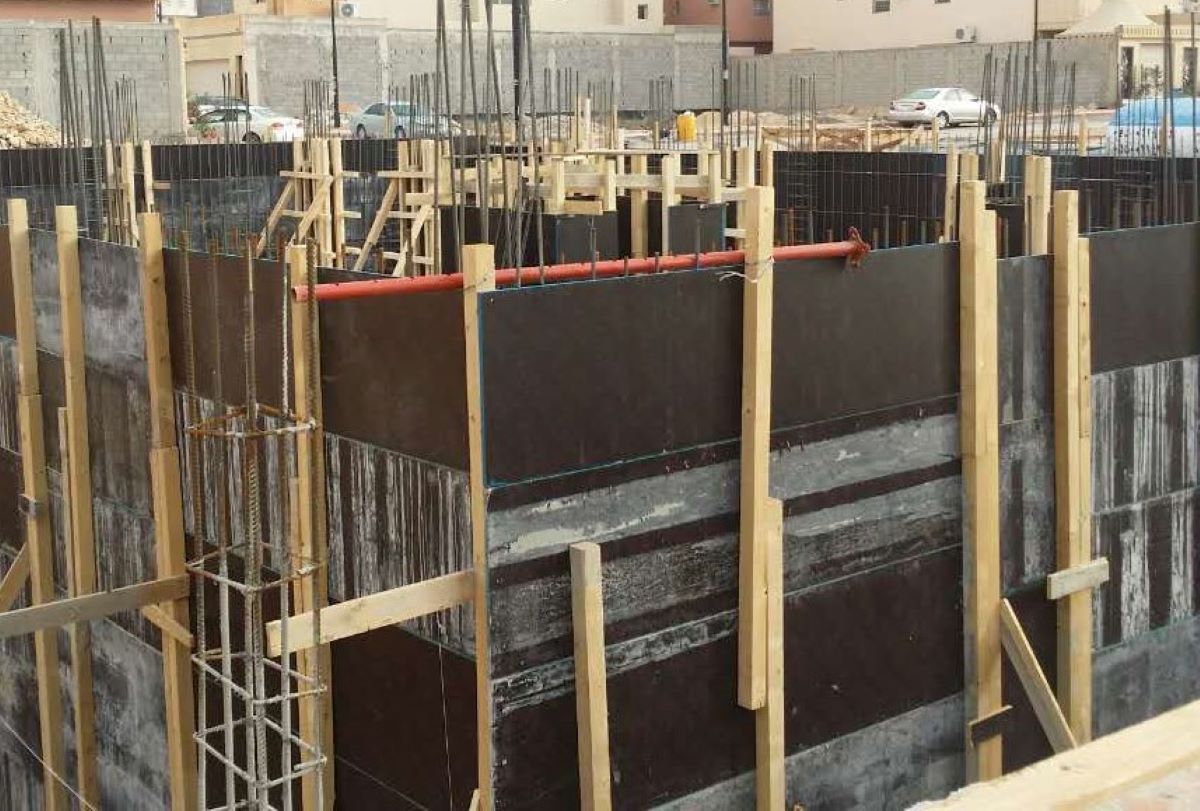
They use F17 plywood in formwork when they need panels that can handle wet concrete pressure and maintain shape during pours. It is often chosen for beams, slabs, columns, and edge forms where stiffness reduces blowouts and deformation.
For formwork, surface condition and sealing are crucial. If the face is not designed for repeated concrete contact, they may need a film-faced or formply variant, and they should seal edges to reduce water ingress and swelling.
How is F17 plywood used for temporary works, platforms, and site hoardings?
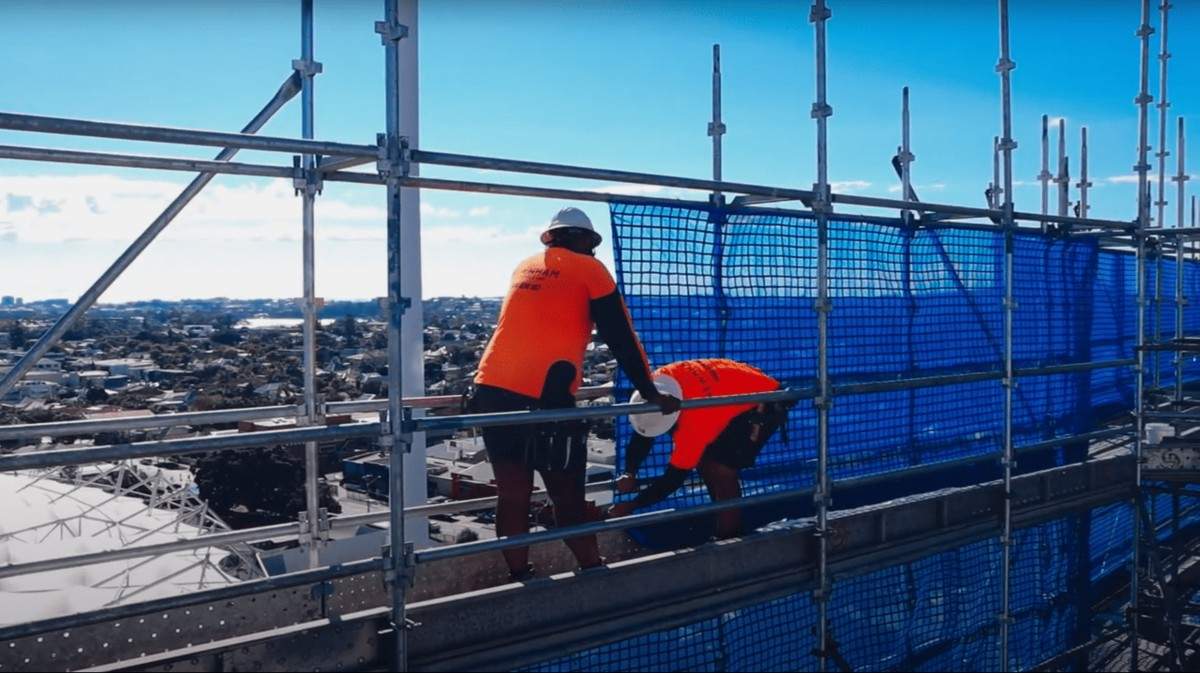
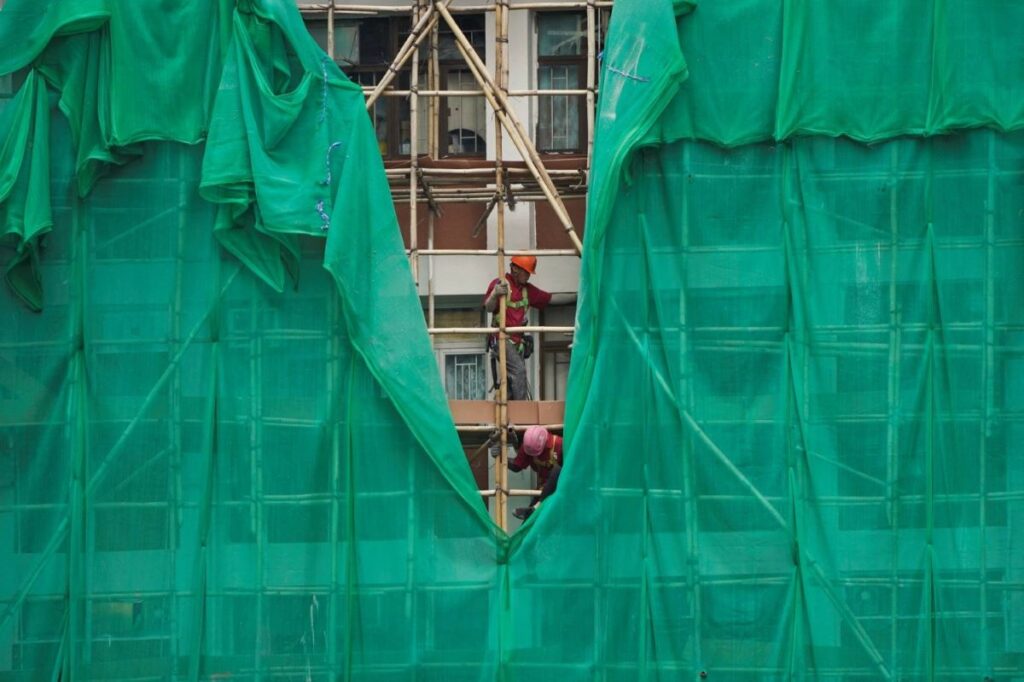
They use F17 plywood for temporary structures because it is strong, readily available, and easy to cut and fix. Typical uses include access platforms, temporary floors, protection over openings, and robust site partitions.
Even though the works are “temporary”, safety expectations remain high. They should ensure proper support, avoid over-spanning, and replace sheets that are delaminated, cracked, or waterlogged, since damage can reduce load capacity quickly in site conditions.
What are the top 5 uses of F17 plywood in structural and formwork applications?
They most often rely on F17 plywood for five practical roles: structural floors, wall bracing, roof diaphragms, concrete formwork panels, and temporary works. Each use centres on predictable strength and stiffness rather than looks.
Here is the quick list they typically work from:
- Structural floor sheathing and subfloors
- Wall bracing and engineered shear panels
- Roof decking and diaphragms
- Concrete formwork (including beams, slabs, and edges)
- Temporary works such as platforms, protection, and hoardings
How can they make F17 plywood last longer on site?
They can extend service life by storing sheets flat and dry, sealing cut edges, and avoiding prolonged exposure to standing water. They should also lift packs off the ground and cover them without trapping condensation.
On formwork, cleaning after stripping and using suitable release agents can help maintain the face. For structural uses, correct fastening, adequate ventilation, and moisture management around the building envelope are often what prevents early swelling, mould, and panel movement. Read more about site mesh: top 6 uses in construction and temporary fencing.
What is the simplest way to choose the right F17 plywood for a job?
They should match the sheet to the engineering requirement and the exposure conditions first, then confirm thickness and face type for the intended finish. If the application involves concrete or weather, they should choose a product explicitly suited to that environment.
When in doubt, they should follow the project specification or ask the engineer or supplier for the correct structural-rated panel. Getting the right sheet is usually cheaper than fixing deflection, squeaks, or formwork failures later.
FAQs (Frequently Asked Questions)
What is F17 plywood and why is it preferred in construction projects?
F17 plywood is a structural-grade, stress-graded panel designed for strength, stiffness, and reliable performance in construction. Builders prefer it for applications requiring engineered load-bearing capacity such as framing, bracing, and concrete formwork, where predictable engineering performance and compliance are critical.
How should builders verify the suitability of F17 plywood before use?
Builders should check the sheet’s structural certification, thickness, face grade, bond type, and whether it has preservative treatment suitable for the exposure conditions. They must ensure the product is appropriate for moisture or weather exposure and follow fixing schedules and span tables meticulously to prevent failure.
In what ways is F17 plywood utilised for structural floor sheathing?
F17 plywood serves as a structural floor diaphragm and subfloor sheathing over joists or bearers. It distributes loads evenly, reduces bounce, enhances floor stiffness compared to non-structural sheets, and provides a stable base for finishes when installed with staggered joints, correct edge support, specified fasteners, and adhesives as required.
Why is F17 plywood ideal for wall bracing and shear panels?
F17 plywood offers excellent racking resistance to create strong shear walls essential in wind-prone areas or locations demanding lateral stability. Its bracing effectiveness depends on proper fixing details including nail type, spacing, edge distances, and hold-downs following engineered bracing schedules to control structural movement over time.
How does F17 plywood contribute to concrete formwork applications?
F17 plywood is chosen for concrete formwork due to its ability to withstand wet concrete pressure and maintain shape during pours in beams, slabs, columns, and edge forms. Surface condition is crucial; film-faced or formply variants are preferred for repeated concrete contact with sealed edges to prevent water ingress and swelling.
What are the top uses of F17 plywood in structural and temporary works?
The five primary uses of F17 plywood include: 1) Structural floor sheathing and subfloors; 2) Wall bracing and engineered shear panels; 3) Roof decking and diaphragms; 4) Concrete formwork including beams, slabs, and edges; 5) Temporary works such as platforms, protection coverings, and site hoardings. These applications focus on strength and stiffness rather than aesthetics.