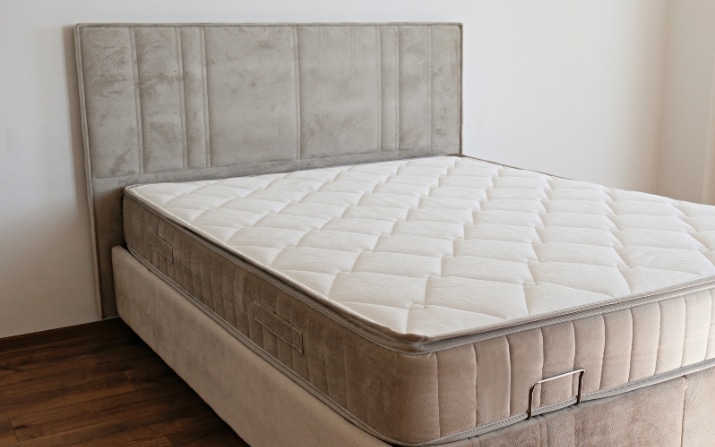
What does bed frame and mattress pairing actually mean?
It means choosing a frame and base that support the mattress the way its design requires. Done well, bed frame and mattress pairing helps keep the spine aligned, reduces sagging, and prevents annoying creaks that can disrupt sleep.
In Australia, it also means checking compatibility with common base styles like ensemble bases, slatted frames, and adjustable bases.
Why does the right pairing matter for sleep quality?
The right match keeps the mattress working as intended, so pressure relief and support stay consistent all night. Poor matches can cause dips, edge collapse, and motion transfer that wakes light sleepers.
For couples, bed frame and mattress pairing can also reduce partner disturbance by stabilising the mattress and minimising base movement.
Which bed frame sizes should they match in Australia?
They should match the Australian mattress size exactly to avoid overhang or compression at the edges. Even small gaps can make a mattress feel unstable, especially near corners.
Typical Australian sizes include Single, King Single, Double, Queen, King, and Super King, so they should confirm the label on both the frame and the mattress before buying.
How do slatted bed frames affect different mattresses?
Slats change how weight is distributed, so slat spacing and strength matter. If slats are too far apart, some mattresses can bow between them and wear out faster.
For reliable bed frame and mattress pairing, they should look for sturdy slats with closer spacing, plus a centre rail on larger sizes like Queen and above.
What slat spacing should they look for?
A practical rule is tighter spacing for foam and latex mattresses, and moderate spacing for many innerspring and hybrid designs. If slats are wide-spaced, the mattress may feel softer than it should and develop premature sagging.
If a retailer cannot confirm slat spacing, they should measure it themselves and compare it with the mattress brand’s base requirements.
Do they need a centre support rail in Australian conditions?
Yes for most Queen, King, and Super King frames, especially on timber floors that can flex. A centre rail with at least one supportive leg helps stop the base from bowing over time.
This is a key part of bed frame and mattress pairing for couples, because two sleepers increase load and amplify any weakness in the frame.

How do ensemble bases compare with slatted frames?
Ensemble bases provide an even platform that suits many mattress types, particularly pocket spring and hybrid mattresses. They can also be quieter than cheaper slatted frames, which helps light sleepers.
For bed frame and mattress pairing, ensemble bases are often the simplest option because they reduce variables like slat spacing and slat quality.
When is a solid platform base a good idea?
A solid platform can work well if it allows airflow and matches the mattress warranty conditions. Some foam mattresses feel firmer on a solid surface, which can be helpful for those who want extra stability.
In humid coastal areas like Sydney or Brisbane, they should avoid trapping moisture by ensuring ventilation, especially under thicker foam mattresses.
Can the wrong base void an Australian mattress warranty?
Yes, many Australian mattress brands specify what bases are acceptable, including slat spacing and centre support. If the base does not meet those requirements, warranty claims for sagging may be rejected.
Good bed frame and mattress pairing includes checking the warranty PDF before purchase and keeping proof of the base specs if possible.
How should they pair memory foam mattresses with a bed frame?
Memory foam usually needs consistent, even support to prevent dipping and soft spots. A sturdy slatted base with close spacing or an ensemble base often works best.
For bed frame and mattress pairing with foam, they should also prioritise ventilation to reduce heat and moisture build-up.
How should they pair latex mattresses with a bed frame?
Latex is heavier and more elastic than many foams, so it benefits from strong slats and solid centre support. If the base flexes, latex can feel overly bouncy and less supportive. A properly supported latex mattress can provide more consistent comfort and stability.
A stable frame helps latex deliver its strengths, including responsive pressure relief and long-term durability, which matters in warmer Australian climates.
How should they pair pocket spring mattresses with a bed frame?
Pocket springs generally tolerate a wider range of bases, but they still need level support to maintain alignment. A weak frame can lead to uneven feel, especially at the edges.
For bed frame and mattress pairing with pocket springs, they should look for a frame that resists twist and includes strong corner joins and a centre rail on larger sizes.
How should they pair hybrid mattresses with a bed frame?
Hybrids combine foam layers and springs, so they need both stability and even support. If slats are too far apart, the comfort layers can compress unevenly and feel inconsistent.
A well-built slatted frame or ensemble base usually works, and bed frame and mattress pairing should focus on stiffness, centre support, and noise control.
Should they choose an adjustable base for better sleep?
An adjustable base can help with snoring, reflux, reading in bed, and some back discomfort by allowing customised elevation. It must also be compatible with the mattress, since not all mattresses are designed to flex repeatedly.
For Australians considering this option, bed frame and mattress pairing should start with checking that the mattress is adjustable-base friendly.
How can they reduce squeaks and movement in the frame?
They should tighten all bolts, check that the frame sits level, and add felt pads where timber meets timber or timber meets metal. A slightly loose join is often the real cause of squeaks, not the mattress.
For bed frame and mattress pairing, stability matters because movement transfers into the sleep surface and can wake restless sleepers.
What materials work best for bed frames in Australian homes?
Solid timber and quality steel frames can both work well if they are engineered to resist racking. Softer timbers and thin metal can loosen over time, especially in rentals where beds get moved often.
They should choose a frame that suits the room’s humidity and temperature, particularly in coastal areas where moisture and salt air can affect some finishes.
How should they think about bed height and bedroom layout?
Bed height affects how easy it is to get in and out, and it can change how a mattress feels because higher frames often flex differently. A low-profile frame can feel more grounded, while higher setups can feel slightly springier.
They should also measure clearance for under-bed storage and airflow, which supports mattress hygiene in Australian conditions.
How do they match firmness feel between base and mattress?
A rigid base usually makes a mattress feel a touch firmer, while a flexible slatted base can make it feel softer. If they are on the edge between two firmness levels, the base choice can tip the feel either way.
This is why bed frame and mattress pairing should be considered as one system rather than two separate purchases.
What quick checks should they do before buying?
They should confirm size match, check for centre support on larger frames, and ask for slat spacing if using slats. They should also verify the mattress warranty requirements and whether the frame type is approved.
For bed frame and mattress pairing, a few minutes of checks can prevent years of discomfort, noise, and early mattress wear.
What is the simplest setup they can choose for fewer regrets?
A sturdy frame with a strong centre rail and an ensemble-style base is often the lowest-risk option for most mattress types. It provides even support, tends to be quiet, and suits many Australian bedrooms and floor types. Before buying, it is also important to understand how to pick a bed frame for your mattress size, including checking dimensions, weight capacity, support requirements, and available bedroom space.
If they keep bed frame and mattress pairing simple and warranty-compliant, they usually get better sleep with less trial and error.
FAQs (Frequently Asked Questions)
What is bed frame and mattress pairing and why is it important for Australians?
Bed frame and mattress pairing means choosing a frame and base that properly support the mattress according to its design. In Australia, this ensures improved comfort, reduced noise, better spine alignment, minimized sagging, and longer mattress life by matching support, size, and materials correctly.
How does the right bed frame and mattress pairing affect sleep quality?
The correct pairing maintains consistent pressure relief and support throughout the night, preventing dips, edge collapse, and motion transfer that can disturb light sleepers. For couples, it stabilizes the mattress to reduce partner disturbance by minimizing base movement.
What Australian bed frame sizes should match the mattress exactly?
Australians should ensure their bed frames match the mattress size exactly to avoid overhang or compression at edges. Common sizes include Single, King Single, Double, Queen, King, and Super King. Confirming labels on both frame and mattress before purchase is essential for stability.
How do slatted bed frames impact different types of mattresses in Australia?
Slats influence weight distribution; spacing and strength matter. Foam and latex mattresses require tighter slat spacing to prevent bowing and premature wear. Larger sizes like Queen and above benefit from sturdy slats plus a centre rail to maintain support and durability.
Can using the wrong base void an Australian mattress warranty?
Yes, many Australian mattress brands specify acceptable bases including slat spacing and centre support requirements. Using a base that doesn’t meet these criteria may lead to warranty claims for sagging being rejected. Checking warranty details before purchase is crucial.
What are the best bed frame options for memory foam and latex mattresses in Australia?
Memory foam mattresses perform best on sturdy slatted bases with close spacing or ensemble bases that provide even support and ventilation to reduce heat buildup. Latex mattresses need strong slats with solid centre support to prevent excessive bounce while delivering responsive pressure relief suitable for warmer Australian climates.
