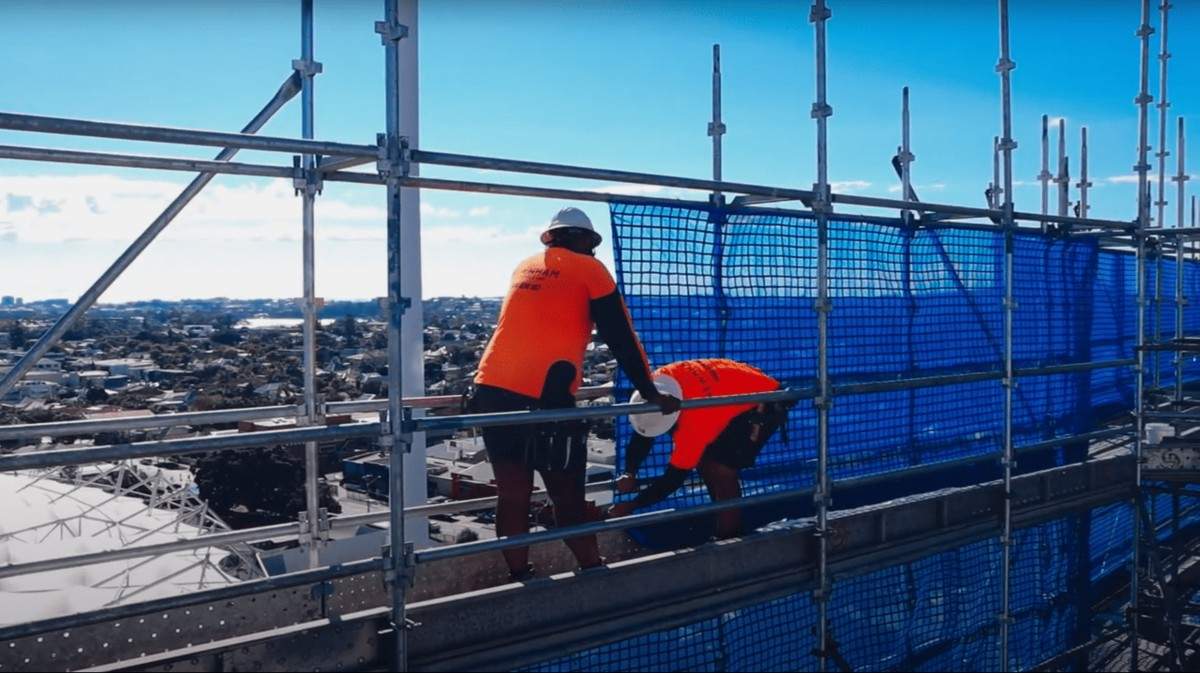
Because it is lightweight and adaptable, site mesh suits short-term projects and fast-changing sites. It can be fitted to temporary fencing, scaffolding, hoarding frames, and gates, helping teams control risk while keeping the site practical to run.
What is site mesh and why do construction teams use it?
Site mesh is a flexible barrier material fixed to temporary fencing or structures to control what moves through or can be seen through a site boundary. Teams use it because it improves safety, reduces nuisance to the public, and supports basic site security.
Most options come in breathable mesh or tighter knit styles, depending on the job. The right choice depends on wind exposure, dust levels, and how much screening the site needs.
How does site mesh improve safety around temporary fencing?
Site mesh improves safety by reducing the chance of objects travelling beyond the fence line and by making boundaries more obvious. It is also used to help guide pedestrians away from hazards and to separate plant routes from walkways.
It can reduce the risk of small debris leaving the site in windy conditions. When fixed properly and checked regularly, it adds a practical extra layer of control without slowing down access.”
How is site mesh used for dust and debris control?
Site mesh helps contain dust, light debris, and splashes from certain site activities, especially when attached to fencing near cutting, drilling, or demolition zones. It is used to reduce complaints and keep surrounding areas cleaner.
It is not a substitute for proper dust suppression, but it supports it. In busy urban locations, mesh screening can be one of the simplest ways to reduce visible dust drift from the boundary.
How can site mesh support privacy and visual screening?
Site mesh is often used to block direct sightlines into a site, reducing distraction to drivers and limiting what passers-by can see. Tighter mesh is chosen when stronger screening is desired without building solid hoarding.
This is useful where the site contains valuable materials, equipment, or partially completed works. It can also help reduce the “open site” feel that attracts casual entry.
How does site mesh help with wind reduction and weather exposure?
Site mesh can reduce wind speed through scaffolding and along exposed fence lines, depending on the type of mesh and how it is installed. It is used to improve comfort for workers and reduce wind-driven dust movement.
However, wind loading must be taken seriously. On very exposed sites, teams typically assess whether a more breathable mesh is needed and ensure the fencing system is adequately ballasted and braced.
How is site mesh used for branding and communication?
Site mesh can be printed to show project branding, safety messages, or directional information while still functioning as a perimeter screen. It is used to improve presentation, support wayfinding, and make key rules visible from a distance.
For long projects, branded mesh can also reduce complaints by making the site look organised. Clear messaging such as “Construction Access Only” or “Keep Out” supports perimeter control. Click here to learn more about building and construction safety.
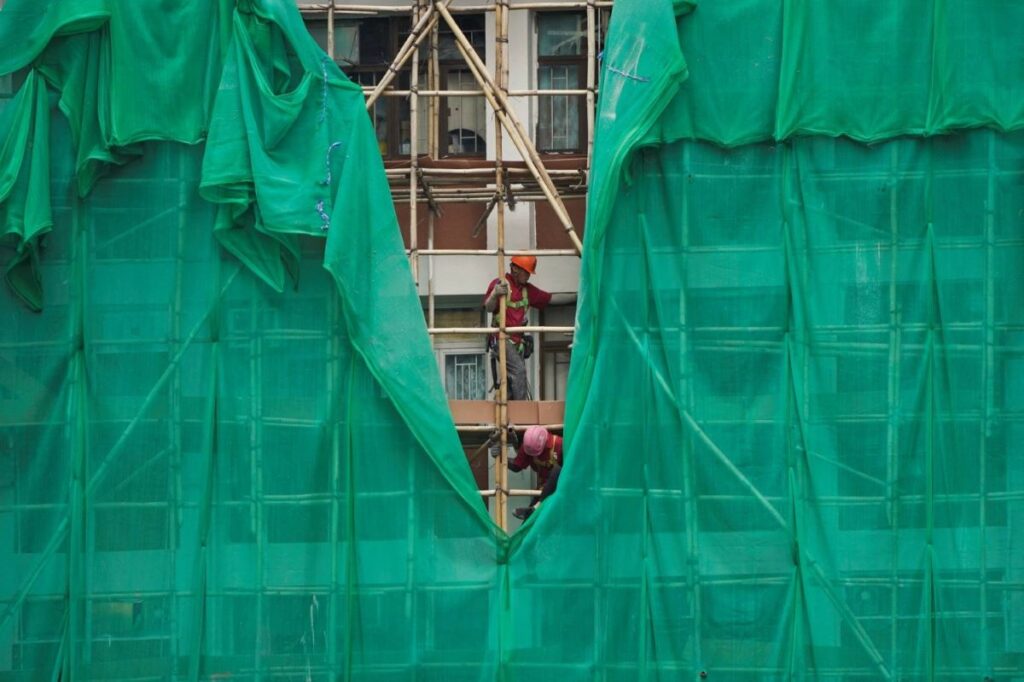
How does site mesh help create safer internal zones and access routes?
Site mesh is not only for the outer boundary. They use it internally to split the site into zones, protect storage areas, separate pedestrian routes, and screen hot works or loading bays.
Internal mesh barriers are useful on sites that change layout regularly. When teams move work phases, mesh can be re-fixed quickly, keeping temporary controls aligned with the current risk profile. Check out more about F17 Plywood: Top 5 Uses in Structural and Formwork Applications.
What should they consider before choosing site mesh for a project?
They should match the mesh to the site’s main risk and environment, then plan for secure fixing and ongoing checks. The wrong mesh in the wrong location can create extra wind risk or fail to provide the screening they expect.
Key considerations include wind exposure, fence stability, fire performance requirements where relevant, visibility needs at entrances, and how often the boundary will be moved. They also typically plan routine inspections, especially after high winds or heavy rain.
FAQs (Frequently Asked Questions)
What is site mesh and why do construction teams use it?
Site mesh is a flexible barrier material attached to temporary fencing or structures to control visibility and movement through a site boundary. Construction teams use it to enhance safety, reduce dust and debris, improve privacy, and support basic site security without erecting solid barriers.
How does site mesh improve safety around temporary fencing?
Site mesh improves safety by reducing the chance of debris escaping the site, making boundaries more visible, guiding pedestrians away from hazards, and separating plant routes from walkways. When properly installed and maintained, it adds an extra layer of risk control without hindering site access.
In what ways does site mesh help with dust and debris control on construction sites?
Site mesh contains dust, light debris, and splashes especially near cutting, drilling, or demolition areas by attaching it to fencing. While not a substitute for full dust suppression methods, it effectively reduces visible dust drift at the site boundary and helps minimise complaints from surrounding areas.
How can site mesh support privacy and visual screening on construction sites?
Site mesh blocks direct sightlines into the work area, reducing distractions for drivers and limiting public view of valuable materials or ongoing works. Tighter knit mesh options offer stronger screening without the need for solid hoarding, helping prevent casual entry by creating a less ‘open site’ appearance.
What should be considered regarding wind exposure when using site mesh?
Site mesh can reduce wind speed through scaffolding and along fences, improving worker comfort and limiting wind-driven dust. However, wind loading risks must be assessed carefully. On exposed sites, breathable mesh types are preferred alongside secure fence bracing and ballasting to maintain stability during high winds.
How is site mesh used for branding and communication on construction sites?
Site mesh can be printed with project branding, safety messages, or directional information while serving as a perimeter screen. This enhances site presentation, supports wayfinding, communicates key rules such as ‘Construction Access Only’ or ‘Keep Out’, and helps reduce complaints by presenting an organised appearance.