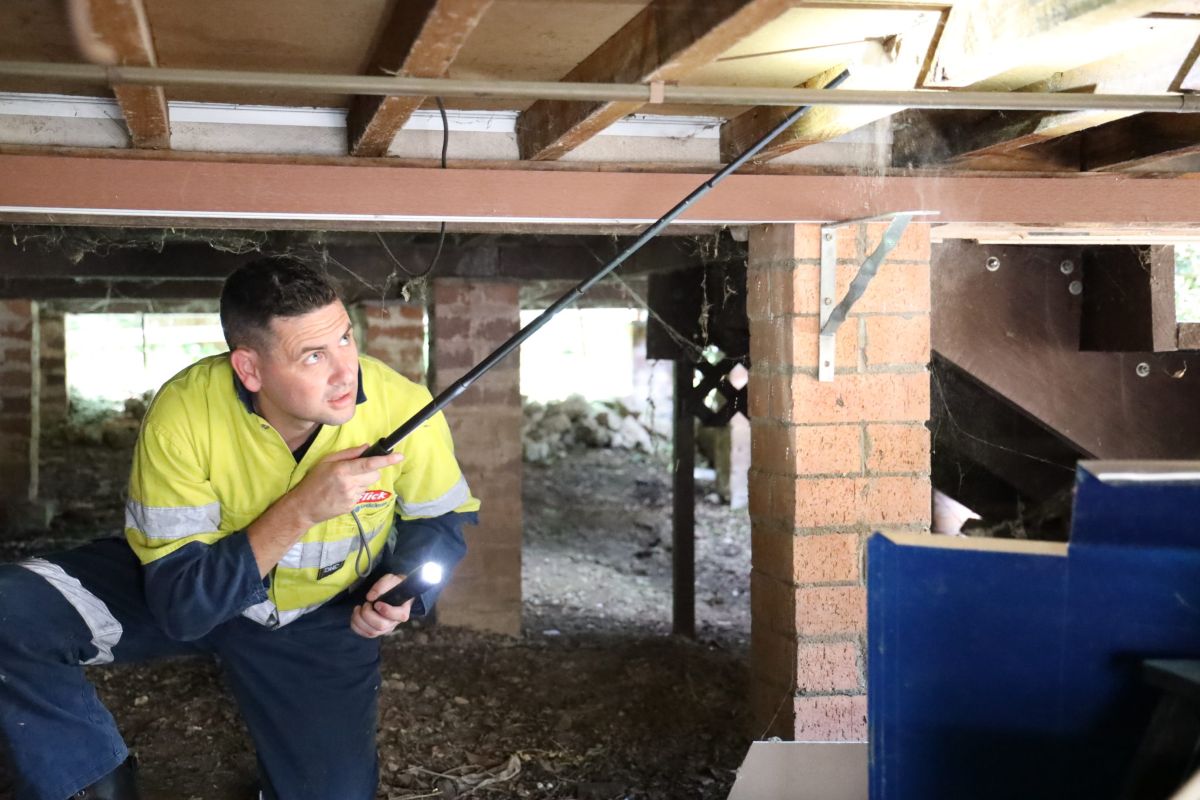
Early protection is usually cheaper, less disruptive, and far more reliable than chasing an established colony. For any property with wet areas or recent building work, termite control services are a practical safeguard.
Why are bathrooms a high-risk zone for termite activity?
Bathrooms often create the exact conditions termites prefer: consistent moisture and concealed access. Leaks under baths, around showers, or behind tiled walls can keep timber damp for weeks without anyone noticing.
Crucially, the damage may stay hidden until skirting boards blister, tiles loosen, or doors stop closing properly. Regular inspections and moisture checks through termite control services help spot early warning signs before structural timber is affected.
Why do kitchens attract termites even in “dry” homes?
Kitchens are full of water sources and warm appliances, even when the home feels dry. Slow leaks under sinks, dishwashers, or fridge water lines can soak cabinetry bases and subfloors in silence.
Food scraps do not attract termites the way they attract ants, but timber and paper products do. If cupboards back onto external walls or older extensions, entry points are easier. This is where termite control services can focus inspections on plumbing penetrations, kickboards, and adjoining wall cavities.
What makes renovated spaces more vulnerable than untouched rooms?
Renovations can accidentally remove barriers and expose new routes into the property. When walls are opened, floors lifted, or landscaping altered, termite access and moisture behaviour can change quickly.
New materials can also create bridging, such as timber installed too close to soil or poorly sealed joints that allow dampness to linger. After building work, termite control services are often the quickest way to confirm that risk has not increased and protective measures still function.
How does moisture drive termite pressure in wet areas?
Moisture softens timber and makes it easier for termites to feed and travel. It also supports mud tubes and sheltered movement through cracks and gaps.
Bathrooms and kitchens concentrate plumbing, and renovated rooms can introduce fresh sealants, new layouts, and altered drainage. Termite control services typically include moisture readings and targeted checks around pipework, because dampness is often the first clue that termites could follow.
Where do termites hide in bathrooms and kitchens?
They often stay out of sight, travelling behind tiles, inside wall cavities, beneath vanity units, and under floating floors. They can also move through expansion joints, around service penetrations, and along damp framing.
Because these spaces are designed to conceal plumbing, termites benefit from the same concealment. A professional visit through termite control services can focus on high-probability voids, rather than relying on visible damage alone.
What early warning signs do people commonly miss?
Small changes get ignored: bubbling paint, a musty smell, hairline cracks in grout, or a door frame that suddenly feels “tight”. These can be moisture problems, termite problems, or both.
Termites may also leave fine mud spotting near skirting boards or around pipe entries. The value of termite control services is that they treat these signals as indicators to investigate, not as cosmetic issues to patch over.
When should protection be put in place during a renovation?
Protection should begin before walls and floors are closed up again. That is the moment when access is easiest and long-term outcomes are best.
If builders are replacing timber, adding an extension, or reworking bathrooms and kitchens, planning for termite control services during the project can help avoid future rework. It also reduces the chance that new finishes will later need to be removed for treatment. Check out more about exterminators in Sydney and how to choose reliable help for homes and worksites.
What types of protection are commonly used in vulnerable zones?
Most protection plans combine inspection, risk reduction, and an appropriate treatment method. Depending on local conditions, this can include baiting programmes, soil treatments, or physical and chemical barriers.
In wet areas, managing leaks and ventilation is part of the defence, not an optional extra. Termite control services can also recommend practical changes, such as improving drainage lines, sealing gaps around penetrations, and keeping timber elements separated from soil.
How often should wet areas and renovated rooms be inspected?
High-risk properties benefit from scheduled checks, especially where there is ongoing moisture, older construction, or recent disturbance to the building envelope. Waiting for obvious signs is rarely a good strategy.
A sensible approach is to align inspections with seasonal moisture changes and after major plumbing work. Ongoing termite control services provide continuity, so inspectors can compare findings over time and spot subtle shifts in risk.
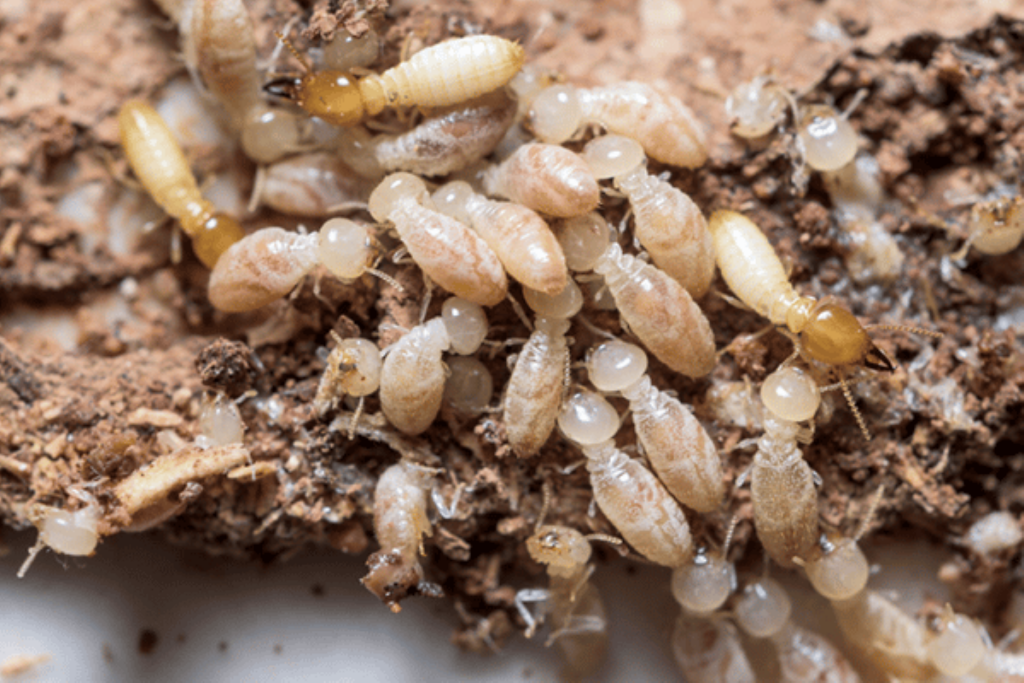
What should a property owner ask a termite professional to focus on?
They should ask for targeted attention around plumbing, wet-area wall linings, subfloors, and any renovation junctions where old meets new. They should also ask whether any conditions are increasing risk, such as timber-to-soil contact or poor subfloor ventilation.
Clear reporting matters as much as treatment. Good termite control services explain what was found, what it means, and what should be corrected now to prevent future infestation.
How do early actions reduce long-term costs?
Early action limits structural repair, prevents repeated call-outs, and reduces the need to remove finished surfaces. Bathrooms and kitchens are expensive to pull apart, which makes hidden termite damage particularly costly.
Fixing leaks, sealing entry points, and installing appropriate protection can avoid large-scale timber replacement later. That is the core reason termite control services are best used as prevention, especially in wet areas and freshly renovated spaces.
What is the simplest takeaway for bathrooms, kitchens, and renovations?
These zones combine moisture, concealment, and construction change, so they deserve early attention. A home can look immaculate and still be vulnerable behind tiles, cabinetry, and new finishes.
For practical peace of mind, termite control services should be treated as part of routine property care, not an emergency response. Early protection in bathrooms, kitchens, and renovated rooms is often the difference between a quick fix and a major rebuild.
Other Resources : Home building safety and standards